
Publications
Publications and scholarly work.
Eleven peer-reviewed journal articles, seventeen conference proceedings, and two graduate research records spanning cardiovascular tissues, device mechanics, flow, and experimental validation.
Select any journal, conference, thesis, or dissertation record to read its complete abstract or study content, view available media, and open the source link.
Journal articles
Conference proceedings
Graduate research
2025
Local mechanical characterization of cardiovascular tissues: Methods, challenges, and pathways to clinical use
Frontiers in Mechanical Engineering, 11, 1703081
Contribution
A methods-focused review connecting local tissue measurements with clinically meaningful cardiovascular mechanics.
Abstract
Cardiovascular tissues exhibit complex mechanical behaviors that are nonlinear, anisotropic, and spatially heterogeneous. These local and regional variations play a critical role in disease initiation, progression, and treatment outcomes, yet conventional approaches often rely on specimen-averaged properties that overlook this heterogeneity. This review highlights recent advances in local mechanical characterization, spanning experimental methods, imaging-based assessments, and computational strategies. Traditional mechanical tests, such as uniaxial, biaxial, and indentation methods, remain foundational but assume uniform material properties. Surface-based techniques, particularly digital image correlation, now enable high-resolution full-field strain mapping in vitro and even intraoperatively, while volumetric approaches - including ultrasound, Computed Tomography (CT), Magnetic Resonance Imaging (MRI), and Optical Coherence Tomography (OCT) - extend characterization to through-thickness and into in vivo settings. Digital volume correlation (DVC) further enhances these modalities by extracting three-dimensional internal displacement fields, though its use in cardiovascular tissues is still emerging. To translate these data into clinically relevant metrics, inverse methods such as the Virtual Fields Method (VFM) and inverse finite element analysis (iFEA) are used to estimate region-specific constitutive parameters. Emerging machine learning and physics-informed frameworks further accelerate model selection, parameter identification, and uncertainty quantification. Despite significant progress, major challenges remain in image quality in dynamic in vivo environments, uncertain boundary conditions, computational costs, and the lack of standardized protocols. Future progress will rely on integrating multimodal imaging, robust inverse modeling, and physics-informed machine learning into reproducible pipelines capable of generating patient-specific mechanical maps. Ultimately, local characterization holds the potential to transform risk prediction, medical device optimization, and personalized treatment planning in cardiovascular medicine.

2026
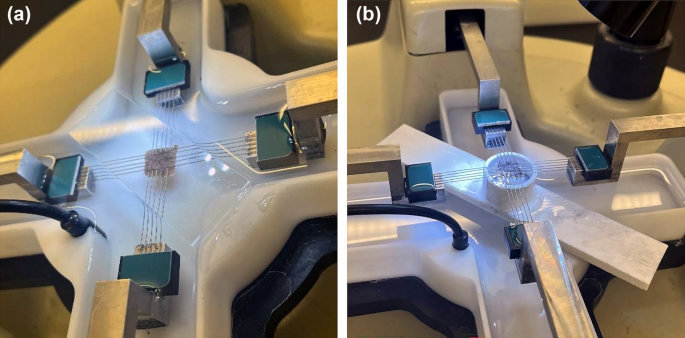
Mechanical properties of the myocardium post-alcohol ablation in transcatheter mitral valve implantation
Cardiovascular Engineering and Technology, 17(1), 1-10
Contribution
Mechanical characterization of myocardial tissue after alcohol ablation in a transcatheter mitral intervention context.
Abstract
Purpose: Alcohol septal ablation (ASA) has become a minimally invasive alternative to septal myectomy for treating left ventricular outflow tract (LVOT) obstructions. ASA has gained popularity, especially among patients undergoing transcatheter mitral valve replacement (TMVR). This study aimed to determine the effect of ASA on the mechanical properties of myocardial tissue. Methods: Twenty-four square samples were excised from the septal regions of fresh-frozen swine hearts. Mechanical testing was conducted using a biaxial tester. Half of the samples underwent 3-minute ablation, while the other half underwent 5-minute ablation. Results: All samples exhibited a nonlinear response to strain in the fiber and cross-fiber directions. After 3 min of ablation, the mean force required to achieve 20% displacement increased from 182.08-mN to 347.42-mN (true stress from 11.0-KPa to 24.1-KPa) in the fiber direction and from 66.83-mN to 110.75-mN (true stress from 4.3-KPa to 8.2-KPa) in the cross-fiber direction. Following 5 min of ablation, mean force values rose from 178.0-mN to 452.8-mN (true stress from 11.0-KPa to 32.4-KPa) in the fiber direction, and from 70.0-mN to 154.8-mN (true stress from 4.8-KPa to 12.0-KPa) in the cross-fiber direction. All changes were statistically significant (p <= 0.002). Histological analysis also revealed that alcohol ablation progressively disrupted myocardial architecture. Conclusion: This study demonstrates that ASA significantly alters the passive mechanical properties of the myocardium, increasing tissue stiffness in the septal region over the short term. The extent of stiffening is directly proportional to the duration of ablation, with longer ablation times causing greater stiffness, necessitating careful selection of ablation time before TMVR procedures.
2025
Can the pinwheeling index serve as a surrogate for accelerated leaflet degeneration in transcatheter heart valves?
Journal of Biomechanics, 186, 112731
Contribution
Evaluates whether a widely used geometric index reliably reflects leaflet stress patterns associated with degeneration.
Abstract
Transcatheter heart valve (THV) replacement is an advancing field, with various valve designs incorporating features like flexible frames to improve valve hemodynamics, durability, and patient outcomes. Leaflet pinwheeling, a common metric, is thought to negatively impact long-term durability. This study investigates the pinwheeling index and its correlation with stress distribution across different THV designs. Three THV designs were created using an optimization framework, each with a nominal size of 26-mm and varying leaflet coaptation heights of 10-mm, 13-mm, and 16-mm. Each valve design was evaluated under two conditions: one with a rigid frame and one with a flexible frame. The valves were implanted with a 90% area expansion ratio, and their performance was assessed by examining key mechanical parameters, including the pinwheeling index and maximum in-plane principal stress under a diastolic loading condition. At a coaptation height of 10-mm, the pinwheeling index was 0% for both frame types. At 13-mm, the rigid frame maintained a low index of 2%, while the flexible frame increased slightly to 4%. At 16-mm, the index rose for both frames, with the rigid frame at 7% and the flexible frame at 10%. The study found that leaflet stress was unrelated to the pinwheeling index. While flexible frames may reduce stress and improve long-term durability, they increase the pinwheeling index. Therefore, the traditional pinwheeling index may not reliably predict accelerated leaflet degeneration across different valve designs in comparative analyses. A comprehensive evaluation incorporating computational modeling, digital image correlation, and experimental validation is crucial for preclinical assessments.

2024
Adaptation of aortic bioprosthetic valves for pulmonary position: Comparative analysis of transcatheter and surgical valves
Journal of Cardiovascular Translational Research, 17, 1338-1346
Contribution
Compares transcatheter and surgical bioprosthetic valve behavior when adapted to the pulmonary position.
Abstract
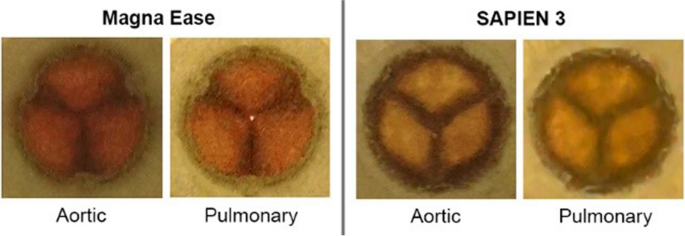
Pulmonary valve dysfunction is common in congenital heart disease, often leading to interventions like right ventricular outflow tract reconstruction. Transcatheter pulmonary valve replacement (TPVR) has emerged as a successful alternative to surgery, showcasing promising outcomes for managing postoperative RVOT complications. The study aimed to compare two bioprosthetic valves - Carpentier Edwards Perimount Magna Ease surgical valve and Edwards SAPIEN 3 transcatheter valve - originally designed for aortic use but adapted for pulmonary applications. The hemodynamic characteristics of a 26-mm SAPIEN 3 and a 25-mm Magna Ease were assessed in a pulse duplicator under both pulmonary and aortic conditions. Furthermore, detailed structural analyses of the leaflets were conducted using computational simulations under these conditions. The results highlighted significant differences in the hydrodynamic and structural characteristics of these two bioprosthetic valves when exposed to pulmonary versus aortic conditions. The study enhances our understanding of the biomechanics involved in surgical and transcatheter pulmonary valve replacement.
2024
Laser ablation for preventing coronary obstruction and maintaining coronary access in redo-TAVR: A proof of concept
Catheterization and Cardiovascular Interventions, 104, 1086-1095
Contribution
Tests a leaflet-modification strategy intended to reduce obstruction risk and preserve coronary access in repeat intervention.
Abstract
Background: Redo-transcatheter aortic valve replacement (TAVR) is a promising treatment for transcatheter aortic valve degeneration, becoming increasingly relevant with an aging population. In redo-TAVR, the leaflets of the initial (index) transcatheter aortic valve (TAV) are displaced vertically when the second TAV is implanted, creating a cylindrical cage that can impair coronary cannulation and flow. Preventing coronary obstruction and maintaining coronary access is essential, especially in young and low-risk patients undergoing TAVR. This study aimed to develop a new leaflet modification strategy using laser ablation to prevent coronary obstruction and facilitate coronary access after repeat TAVR. Methods: To evaluate the feasibility of the leaflet modification technique using laser ablation, the initial phase of this study involved applying a medical-grade ultraviolet laser for ablation through pericardial tissue. Following this intervention, computational fluid dynamics simulations were utilized to assess the efficacy of the resulting perforations in promoting coronary flow. These simulations played a crucial role in understanding the impact of the modifications on blood flow patterns, ensuring these changes would facilitate the restoration of coronary circulation. Results: Laser ablation of pericardium leaflets was successful, demonstrating the feasibility of creating openings in the TAV leaflets. Flow simulation results show that ablation of index valve leaflets can effectively mitigate the flow obstruction caused by sinus sequestration in redo-TAVR, with the extent of restoration dependent on the number and location of the ablated openings. Conclusions: Laser ablation could be a viable method for leaflet modification in redo-TAVR, serving as a new tool in interventional procedures.
2023
Subclinical leaflet thrombosis in supra-annular transcatheter aortic valves: The role of leaflet design
Journal of Cardiovascular Translational Research, 16, 674-681
Contribution
Connects leaflet design with kinematics and flow conditions implicated in subclinical leaflet thrombosis.
Abstract
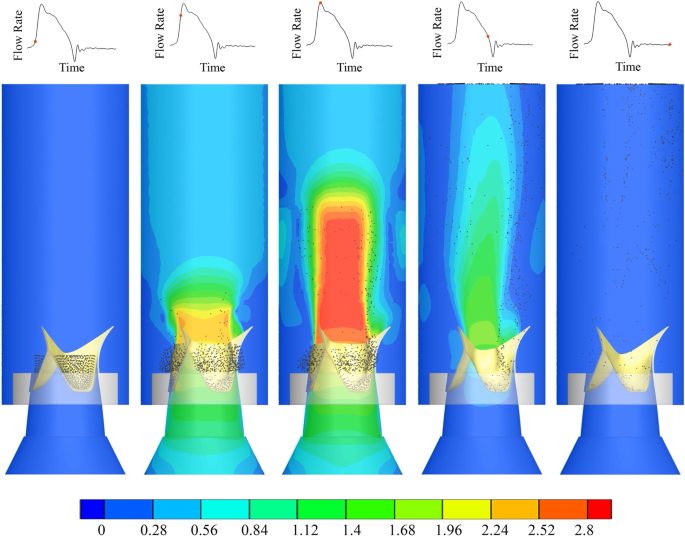
Subclinical leaflet thrombosis has been increasingly observed in patients undergoing transcatheter aortic valve replacement. Intra-annular transcatheter aortic valves (TAVs) have a larger neo-sinus volume than supra-annular devices and are potentially at a higher risk of hypoattenuated leaflet thickening (HALT). However, clinical data from randomized clinical trials have shown that approximately one-third of patients undergoing TAVR with intra- or supra-annular devices develop HALT in 1 year. The findings point to the potential role of leaflet design in developing HALT. The study aimed to systematically investigate leaflet kinematics of a supra-annular TAV, Medtronic CoreValve, and determine regions of blood stasis. Fluid-solid interaction simulations demonstrated the limited movement of CoreValve leaflets in the lower belly region that created regions of blood stasis on the surface of the leaflets. The findings provide insights into potential improvements in leaflet design in the next generation of TAVs to reduce the risk of HALT and leaflet immobility.
2023
On the three-dimensionality of flow in the neo-sinus and its implications for subclinical leaflet thrombosis
Interdisciplinary CardioVascular and Thoracic Surgery, 36(1), ivac263
Contribution
Shows why three-dimensional neo-sinus flow structure matters when evaluating stasis and thrombosis risk.
Abstract
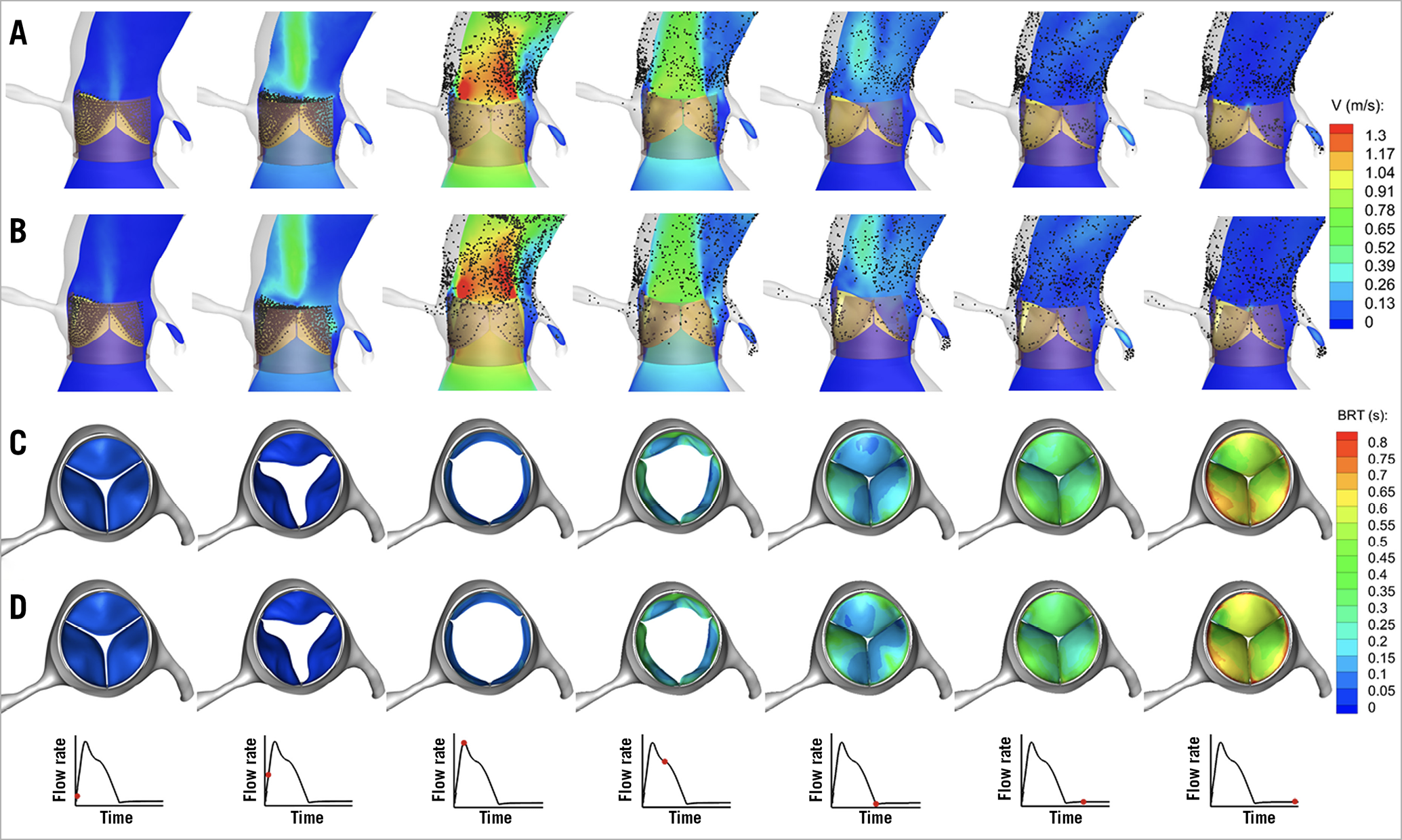
Objectives: Subclinical leaflet thrombosis is a silent phenomenon commonly observed following transcatheter aortic valve implantation (TAVI). Leaflet thrombosis is associated with ischaemic complications and structural valve deterioration. Prior studies have shown that blood stasis in neo-sinus contributes to the initiation and growth of subclinical leaflet thrombosis. This study aimed to quantify temporal and spatial characteristics of the flow field from a fundamental perspective. Methods: In vitro experimental analysis and fluid-solid interaction simulations were employed to characterize the flow field of a transcatheter aortic valve (TAV) with an intra-annular design in a pulse duplicator. Blood residence time (BRT) and flow-induced viscous shear stress were measured in the neo-sinus and on the surface of TAV leaflets. Results: Temporal and spatial velocity variations were observed in neo-sinus, indicating that the flow is time-dependent and fully three-dimensional. The degree of blood stasis in the neo-sinus (bulk fluid) and on the surface of the TAV leaflets highly depends on the local flow characteristics. Regional flow variation in the neo-sinus resulted in substantial variations in BRT magnitude in the neo-sinus and on the surface of the TAV leaflet. Areas with a high degree of blood stasis were observed near the fixed boundary edge of the leaflets. Conclusions: The study indicated that leaflet motion is a primary driver of flow in neo-sinus. Considering the substantial variations in BRT magnitude in the neo-sinus (bulk fluid), blood stasis should be quantified locally on the surface of foreign (valve) materials to avoid errors in forecasting the risk of subclinical leaflet thrombosis in patients undergoing TAVI.
2022
Structural analysis of regional transcatheter aortic valve underexpansion and its implications for subclinical leaflet thrombosis
International Journal for Numerical Methods in Biomedical Engineering, 38, e3641
Contribution
Quantifies how localized frame constraint changes leaflet mechanics and conditions linked to thrombosis.
Abstract
Subclinical leaflet thrombosis has been increasingly recognized following transcatheter aortic valve replacement (TAVR). Determining the risk factors is vital in preventing clinical leaflet thrombosis and ensuring long-term valve durability. Clinical data have indicated that regional stent under-expansion of transcatheter aortic valves (TAVs), particularly self-expanding devices, may be associated with an increased risk of subclinical leaflet thrombosis. This study aimed to determine the effects of regional TAV frame under-expansion on leaflet kinematics, leaflet structural characteristics, and explore its impact on the likelihood of leaflet thrombosis. In this study, mild and moderate regional frame under-expansion of a 26-mm CoreValve were examined using experimental testing and computational simulations. The results indicated that regional TAV frame under-expansion impairs leaflet kinematics and reduces the range of motion in leaflets with an angle less than 120 degrees. The reduced range of motion can increase blood stasis on the surface of the TAV leaflets. The results also demonstrated that regional frame under-expansion induced localized high-stress regions in the leaflets close to the fixed boundary edge. The increased mechanical stress can lead to accelerated tissue degeneration. The study improves our understanding of the effects of regional stent under-expansion in TAVR. Post-procedural balloon dilatation of self-expanding TAVs can potentially be advantageous in reducing leaflet distortion and normalizing leaflet stress distribution. Large-scale, prospective, and well-controlled studies are needed to further investigate regional TAV frame under-expansion effects on subclinical leaflet thrombosis and long-term valve durability.
2021
Transcatheter aortic valve replacement in bicuspid valves: The synergistic effects of eccentric and incomplete stent deployment
Journal of the Mechanical Behavior of Biomedical Materials, 121, 104621
Contribution
Demonstrates how eccentricity and incomplete expansion combine to alter leaflet stress and motion in bicuspid anatomy.
Abstract
Bicuspid aortic valve is a congenital cardiac anomaly and common etiology of aortic stenosis. Given the positive outcomes of transcatheter aortic valve replacement (TAVR) in low-risk patients, TAVR will become more prevalent in the future in the treatment of severe bicuspid valve stenosis. However, asymmetrical bicuspid valve anatomy and calcification can prevent the circular and complete expansion of transcatheter aortic valves (TAVs). In previous studies, examining the impact of elliptical TAV deployment on leaflet stress distribution, asymmetric expansion of balloon-expandable intra-annular devices was studied up to an ellipticity index (long/short TAV diameter) of 1.4. However, such a high degree of eccentricity has not been observed in clinical studies with balloon-expandable devices. High degrees of stent eccentricity have been observed in self-expanding TAVs, such as CoreValve. However, CoreValve is a supra-annular device, and it was not clear if eccentric and incomplete stent deployment at the annulus would alter leaflet stress and strain distributions. This study aimed to assess the effects of eccentric and incomplete stent deployment of CoreValves in bicuspid aortic valves and compare the results to that of SAPIEN 3. Leaflet stress distribution and leaflet kinematics of 26-mm CoreValve and 26-mm SAPIEN 3 devices in bicuspid valves were obtained in a range that was observed in previous clinical studies. The results indicated that elliptical and incomplete stent deployment of TAVs increase leaflet stress and impair leaflet kinematics. The changes were more pronounced in CoreValve than SAPIEN 3. Increased leaflet stress can reduce long-term valve durability, and impaired leaflet kinematics can potentially increase blood stasis on the TAV leaflets. The study provides complementary insights into the mechanics of TAVs in bicuspid aortic valves.

2019
Reducing the risk of leaflet thrombosis in transcatheter aortic valve-in-valve implantation by BASILICA: A computational simulation study
EuroIntervention, 15, 67-70
Contribution
Uses computational simulation to examine a leaflet-laceration strategy in valve-in-valve intervention.
Study synopsis
Leaflet thrombosis following transcatheter aortic valve-in-valve (ViV) implantation is an increasingly recognized complication. Geometric confinement introduced by the leaflet and frame of the degenerated bioprosthesis disturbs the natural flow field, increases blood stasis on transcatheter valve leaflets, and consequently increases the likelihood of thrombogenesis. Idealized computational models representing a 26-mm SAPIEN 3 implanted in a 29-mm Mitroflow surgical bioprosthesis were developed before and after the BASILICA procedure. Flow fields were obtained using fluid-solid interaction simulations, and regions of high blood residence time (BRT greater than 0.5 seconds) that are prone to platelet activation were compared. On the left-coronary leaflet, the area with high BRT decreased from 50.5% before leaflet laceration to 37.3% after BASILICA. On the right-coronary leaflet, the area decreased from 72.2% to 67.9%. No reduction was observed on the non-coronary leaflet. These results indicate that transcatheter leaflet laceration may reduce high-BRT regions on the aortic surface of the left- and right-coronary leaflets and consequently reduce the risk of leaflet thrombosis.
2018
High-resolution three-dimensional strain mapping of bioprosthetic heart valves using digital image correlation
Journal of Biomechanics, 76, 27-34
Contribution
Establishes a high-resolution optical workflow for measuring three-dimensional leaflet strain in working bioprosthetic valves.
Abstract
Transcatheter aortic valve replacement (TAVR) is a safe and effective treatment option for patients deemed at high and intermediate risk for surgical aortic valve replacement. Similar to surgical aortic valves (SAVs), transcatheter aortic valves (TAVs) undergo calcification and mechanical wear over time. However, to date, there have been limited publications on the long-term durability of TAV devices. To assess longevity and mechanical strength of TAVs in comparison to surgical bioprosthetic valves, three-dimensional deformation analysis and strain measurement of the leaflets become an inevitable part of the evaluation. The goal of this study was to measure and compare leaflet displacement and strain of two commonly used TAVs in a side-by-side comparison with a commonly used SAV using a high-resolution digital image correlation (DIC) system. 26-mm Edwards SAPIEN 3, 26-mm Medtronic CoreValve, and 25-mm Carpentier-Edwards PERIMOUNT Magna surgical bioprosthesis were examined in a custom-made valve testing apparatus. A time-varying, spatially uniform pressure was applied to the leaflets at different loading rates. GOM ARAMIS software was used to map leaflet displacement and strain fields during loading and unloading. High displacement regions were found to be at the leaflet belly region of the three bioprosthetic valves. In addition, the frame of the surgical bioprosthesis was found to be remarkably flexible, in contrast to CoreValve and SAPIEN 3 in which the stent was nearly rigid under a similar loading condition. The experimental DIC measurements can be used to characterize the anisotropic material behavior of the bioprosthetic heart valve leaflets and validate heart valve computational simulations.

2024
Abstract 4142998: Optimizing Transcatheter Aortic Valve Design to Mitigate Subclinical Leaflet Thrombosis
Circulation 150 (Suppl_1), Abstract 4142998, 2024
Full conference abstract
Introduction: Subclinical leaflet thrombosis is an increasingly recognized complication in patients undergoing transcatheter aortic valve replacement (TAVR). Patients with hypoattenuated leaflet thickening (HALT) and reduced leaflet motion (RELM) have a higher incidence of strokes and transient ischemic attacks. Early clinical data suggested that HALT is more common in supra-annular than intra-annular transcatheter aortic valves (TAVs). It was postulated that intra-annular TAVs have a larger neo-sinus volume and are potentially at a higher risk of blood flow stagnation in the neo-sinus region than supra-annular devices. However, recent clinical data obtained from the Evolut Low-Risk trial and the PARTNER 3 Cardiac CT sub-study showed that the incidence of HALT was comparable between supra-annular Evolut R (30.9%) and intra-annular SAPIEN 3 (28%) devices at one year. Hypothesis: We hypothesized that TAV leaflet design plays a vital role in the initiation and growth of leaflet thrombosis. Aim: The study aimed to optimize the leaflet and frame geometry of TAVs to mitigate the risk of subclinical leaflet thrombosis using an interactive parametric design platform that streamlines the engineering design process. Methods: We developed an automated computational framework to optimize the design of TAV leaflets in ANSYS Workbench, aiming to minimize (i) blood stasis on the surface of the TAV leaflets and (ii) the peak stress experienced by the tissue. Seven design variables were defined to modify the leaflet geometry and valve position (Figure 1). Results: The design platform revealed a complex response of the design variables, underscoring the importance of numerical optimization to obtain an optimal valve geometry. A considerable reduction in the blood stasis and maximum in-plane principal stress (31%) was observed in comparison to commercially available TAVs. Conclusions: The simulation results revealed that the leaflet geometry plays a vital role in the degree of blood stasis on the surface of the TAV leaflets and the stress experienced by the tissue. The optimized TAV design could reduce the risk of subclinical leaflet thrombosis in patients undergoing TAVR.
2024
Abstract 4141954: Laser Ablation to Prevent Coronary Obstruction and Sustain Coronary Access in redo-TAVR: a Feasibility Study
Circulation 150 (Suppl_1), Abstract 4141954, 2024
Full conference abstract
Introduction: Redo-transcatheter aortic valve replacement (TAVR) is a promising treatment for transcatheter aortic valve degeneration, becoming increasingly relevant with an aging population. In redo-TAVR, the leaflets of the initial (index) transcatheter aortic valve (TAV) are displaced vertically when the second TAV is implanted, creating a cylindrical cage that can impair coronary cannulation and flow. The risk of coronary obstruction after redo-TAVR can reach as high as 20% and is affected by several factors, including the first TAV design, implantation depth, commissural alignment, and choice of the second TAV. Preventing coronary obstruction and maintaining coronary access is essential, especially in young and low-risk patients. Hypothesis: Laser ablation of TAV index leaflets can effectively create openings to prevent coronary obstruction and ensure coronary access in at-risk patients undergoing redo-TAVR. Aim: This study aimed to develop a new leaflet modification strategy using laser ablation to prevent coronary obstruction and facilitate coronary access after redo-TAVR. Methods: To evaluate the feasibility of the leaflet modification technique using laser ablation, initially, a medical-grade ultraviolet laser was used for ablation through pericardial leaflet tissue. Following this intervention, computational fluid dynamics simulations were utilized to assess the efficacy of the resulting perforations in promoting coronary flow after sinus sequestration in redo-TAVR. These simulations played a crucial role in ensuring that these changes would facilitate the restoration of coronary circulation. Results: Laser ablation of pericardium leaflets was successful, demonstrating the feasibility of creating openings in the TAV leaflets (Fig. 1a). Flow simulation results showed that ablation of index valve leaflets can effectively mitigate the flow obstruction caused by sinus sequestration in redo-TAVR, with the extent of restoration dependent on the number and location of the ablated openings (Fig. 1b). Conclusions: Laser ablation could be a viable method for leaflet modification in redo-TAVR, serving as a new tool in interventional procedures.
2017
Abstract 17003: Three-dimensional Strain Mapping by Digital Image Correlation in Bioprosthetic Heart Valves: A Comparative Study of PERIMOUNT Magna, CoreValve, and SAPIEN 3
Circulation 136 (Suppl_1), A17003, 2017
Full conference abstract
Introduction: Transcatheter aortic valve replacement (TAVR) is a safe and effective treatment option for patients deemed at high and intermediate risk for surgical aortic valve replacement. Similar to surgical aortic valves (SAVs), transcatheter aortic valves (TAVs) undergo calcification and degradation over time. However, to date, there have been limited publications on the long-term durability of TAVs. To assess longevity of TAVs in comparison to SAVs, 3D deformation analysis and in-plane strain measurement of the leaflets under physiological loading condition become an inevitable part of the evaluation. The goal of this study was to perform a side-by-side comparison of leaflet strain of PERIMOUNT Magna surgical bioprosthesis, SAPIEN 3, and CoreValve using a 3D digital image correlation (DIC) system. Hypothesis: Bioprosthetic valves degenerate through two distinct yet possibly synergistic processes: (1) calcification and (2) mechanical damage. It has been shown that high strain and stress regions correlate with regions of structural deterioration and calcification. Methods: 25mm PERIMOUNT Magna, 26mm SAPIEN 3, and 26mm CoreValve were examined in a custom-made valve testing apparatus. A time-varying, spatially uniform pressure was applied to the leaflets and an GOM ARAMIS DIC system was used to map leaflet displacement and strain fields from both the top and side views (Figure 1). Results: The representative displacement contour plots of the leaflets at a back pressure of 120 mmHg are presented in Figure 1. It was observed that the maximum in-plane principal Green strain at the commissure region of CoreValve and SAPIEN 3 was 17.5% and 26.3% higher than PERIMOUNT Magna surgical bioprosthesis. Conclusions: Increased strain field on TAV leaflets may lead to diminished long-term durability in comparison to SAVs. Our observation also suggests that there might be differences in long-term durability of CoreValve and SAPIEN 3.
2024
TCT-954 Enhancing Transcatheter Aortic Valve Design to Mitigate the Risk of Subclinical Leaflet Thrombosis
Journal of the American College of Cardiology 84 (18), B406, 2024
Full conference abstract
Background Subclinical leaflet thrombosis is a recognized complication in transcatheter aortic valve replacement (TAVR) patients. Those with hypoattenuated leaflet thickening (HALT) and reduced leaflet motion (RELM) have higher stroke and transient ischemic attack rates. Early data suggested HALT is more common in intra-annular than supra-annular TAVs, with the former potentially having higher blood flow stagnation due to larger neo-sinus volumes. However, data from the Evolut Low-Risk trial and PARTNER 3 Cardiac CT sub-study showed similar HALT incidence in supra-annular Evolut R (30.9%) and intra-annular SAPIEN 3 (28%) devices at 1 year. We therefore hypothesized that TAV leaflet design plays a crucial role in the initiation and growth of leaflet thrombosis. This study aimed to optimize the leaflet and frame geometry of TAVs to mitigate the risk of subclinical leaflet thrombosis using an interactive parametric design platform. Methods: We developed an automated computational framework to optimize the design of TAV leaflets, aiming to minimize 1) blood stasis on the surface of the TAV leaflets and 2) the peak stress experienced by the tissue. Design variables included valve diameter, valve height, leaflet coaptation height, implantation depth, and 2 non-uniform rational basis spline (NURBS) curves: one in the plane of symmetry and the other tangent to the TAV frame to define the fixed boundary edge. Results: The design platform revealed a complex response of the design variables, emphasizing the need for numerical optimization to achieve an optimal valve geometry. Notably, there was a significant reduction in maximum in-plane leaflet principal stress (31%) and blood stasis in the neo-sinus (24%) compared with commercially available TAVs. Conclusion: The simulation results revealed that the leaflet geometry plays a vital role in the degree of blood stasis on the surface of the TAV leaflets and the stress experienced by the tissue. The optimized TAV design could reduce the risk of subclinical leaflet thrombosis in patients undergoing TAVR. Categories STRUCTURAL: Valvular Disease: Aortic.
2024
TCT-836 Laser Ablation: A Novel Approach to Mitigate Coronary Obstruction and Maintain Coronary Access in Transcatheter Aortic Valve Replacement Procedures
Journal of the American College of Cardiology 84 (18), B344, 2024
Full conference abstract
Background Redo-transcatheter aortic valve replacement (TAVR) is emerging as a promising treatment for transcatheter aortic valve degeneration, particularly as the aging population grows. In redo-TAVR procedures, the leaflets of the initial (index) transcatheter aortic valve (TAV) are displaced vertically when a second TAV is implanted. This displacement creates a cylindrical cage that can obstruct coronary cannulation and flow. Ensuring the prevention of coronary obstruction and maintaining coronary access is crucial, especially for young and low-risk patients undergoing TAVR. This study aimed to develop a novel leaflet modification strategy using laser ablation to prevent coronary obstruction and facilitate coronary access after repeat TAVR. Methods To evaluate the feasibility of the leaflet modification technique using laser ablation, the initial phase of this study involved applying a medical-grade ultraviolet laser for ablation through porcine and bovine pericardial tissue. Following this intervention, computational fluid dynamics simulations were used to assess the efficacy of the resulting perforations in promoting coronary flow. Results Laser ablation of pericardium leaflets was successful, demonstrating the feasibility of creating openings in the TAV leaflets. Flow simulation results show that ablation of index valve leaflets can effectively mitigate the flow obstruction caused by sinus sequestration in redo-TAVR, with the extent of restoration dependent on the number and location of the ablated openings. Conclusion Laser ablation presents a viable treatment strategy, particularly for patients who are ineligible for BASILICA and mechanical laceration methods. This new leaflet modification approach could enable safer TAVR procedures in selected patients who are at high risk of coronary obstruction and impaired coronary access. Categories STRUCTURAL: Valvular Disease: Aortic.
2024
TCT-951 Is the Pinwheeling Index a Potential Surrogate for Accelerated Leaflet Failure in Transcatheter Heart Valves?
Journal of the American College of Cardiology 84 (18), B405, 2024
Full conference abstract
Background: Transcatheter heart valve (THV) replacement is a growing field, with various THV designs featuring unique elements aimed at improving patient outcomes. Leaflet pinwheeling, a common metric, is believed to affect long-term valve functionality negatively. This study assesses the pinwheeling index by examining its correlation with stress distribution across different valve designs. Methods: Two THV designs, both 26 mm in size and 16 mm in height, were considered. The first design had a coaptation height of 16 mm, whereas the second had 10 mm (Figure). The valves were implanted with a 90% area expansion ratio, and both rigid and flexible frames were evaluated. The pinwheeling index was defined as (actual length − ideal length)/ideal length, where the actual length is the deflected leaflet-free edge from the top view and the ideal length is the straight line from the commissure to the coaptation point. Results: Pinwheeling was observed in both valves with a 90% area expansion ratio (Figure). The pinwheeling index was 0.076 in the first design and 0.009 in the second. However, the leaflets experienced higher stress in the second design despite the lower index. Additionally, using a flexible frame increased the pinwheeling index but reduced leaflet stress. Conclusion: The study found that leaflet stress does not correlate with the pinwheeling index. Although a flexible frame can reduce stress and potentially improve long-term durability, it increases the pinwheeling index. Further research is needed to develop indexes that better correlate with long-term durability in THVs. Categories: STRUCTURAL: Valvular Disease: Mitral.

2022
TCT-360 The Importance of Leaflet Design in Initiation and Growth of Leaflet Thrombosis in Transcatheter Aortic Valves
Journal of the American College of Cardiology 80 (12), B145-B146, 2022
Full conference abstract
Background Subclinical leaflet thrombosis has been increasingly observed in patients undergoing transcatheter aortic valve (TAV) replacement. Intra-annular TAVs have a larger neosinus volume than supra-annular devices and are potentially at a higher risk of hypoattenuated leaflet thickening (HALT). However, clinical data from the Evolut Low-Risk trial and PARTNER 3 Cardiac CT study showed that approximately one-third of patients undergoing TAVR with supra-annular Evolut R (31%) and intra-annular SAPIEN 3 (28%) develop HALT at 1 year. The data point to the potential role of leaflet design in developing HALT. This study aimed to systematically investigate leaflet kinematics of a supra-annular TAV and determine regions of blood stasis. Methods A self-expanding 26-mm Medtronic CoreValve was examined using experimental and computational methods. Detailed characteristics of the flow field were obtained via fluid-solid interaction modeling. Results Simulation results showed a restricted movement of the TAV leaflets in the lower belly region close to the fixed boundary edge (Fig. 1a). Leaflet movement in the region was constrained because of the leaflet geometry and its form of attachment to the stent. The restricted movement increased blood stasis on the surface of the leaflets (Fig. 1b). Conclusion The restricted movement of the leaflets in the lower belly region increased blood stasis on the surface of the leaflets. Areas of blood stasis are prone to initiation and growth of thrombosis. The findings provide insights into potential improvements in leaflet design in the next generation of TAVs to reduce the risk of HALT. Categories STRUCTURAL: Valvular Disease: Aortic
2022
TCT-361 On the Likelihood of Leaflet Thrombosis Following Transcatheter Pulmonary Valve Replacement
Journal of the American College of Cardiology 80 (12), B146, 2022
Full conference abstract
Background Transcatheter pulmonary valve replacement (TPVR) is an attractive treatment option in selected patients with prior congenital heart surgery. The prevalence of TPVR is expected to grow with new transcatheter pulmonary valves and new docking adaptors. Some of the bioprostheses used in TPVR, such as Edwards SAPIEN 3 (S3), are initially designed for the aortic position. Although good short-term outcomes have been reported, complications such as subclinical leaflet thrombosis have also been recognized. This study aimed to perform a comparative structural and hemodynamic analysis of S3 under pulmonary and aortic conditions and compare the results to a commonly used surgical bioprosthesis. Methods Hemodynamic characteristics of a 26-mm S3 and a 25-mm Magna Ease were evaluated in a pulse duplicator under pulmonary and aortic conditions (both child and adolescent). Detailed structural analysis of the leaflets was also obtained using computational simulations. Results In child pulmonary conditions, the effective orifice area of S3 was significantly lower than in adult aortic conditions (P < 0.001). The effective orifice area of S3 was significantly more than Magna under the pulmonary conditions (P = 0.004). High-speed video recordings showed that S3 closed entirely in the diastole under pulmonary conditions. However, the Magna did not reach complete closure under the pulmonary conditions. This contrasted with the aortic testing condition where full valve closure was attained in both valves. The simulation results showed that the peak of stress in S3 was more than Magna in pulmonary and aortic conditions. The results also indicated that the S3 opening area was significantly smaller under the pulmonary conditions than the aortic condition. The altered leaflet kinematics of S3 in the pulmonary position can increase blood stasis on the S3 leaflets. Conclusion Hemodynamic and structural characteristics of the S3 differed considerably between the pulmonary and aortic conditions. The reduced leaflet motion of S3 in the pulmonary position can facilitate the initiation and growth of thrombosis. The rate of subclinical leaflet thrombosis with S3 may be higher in TPVR than in transcatheter aortic valve replacement. Categories STRUCTURAL: Congenital and Other Structural Heart Disease
2020
TCT CONNECT-478 Structural Analysis of Regional Transcatheter Aortic Valve Underexpansion and Its Implications for Subclinical Leaflet Thickening
Journal of the American College of Cardiology 76 (17 Supplement S), B204, 2020
Full conference abstract
Background Subclinical leaflet thrombosis has been increasingly recognized following transcatheter aortic valve replacement. Determining the risk factors affecting leaflet thrombosis in transcatheter aortic valves (TAVs) is important to mitigate the occurrence of leaflet thrombosis and ensure long-term value durability. Clinical data have indicated that regional TAV stent frame underexpansion, particularly in self-expanding devices, may be associated with an increased risk of leaflet thickening. The goal of this study was to determine the effects of regional TAV underexpansion on leaflet kinematics and leaflet structural characteristics to explore its impact on the likelihood of leaflet thrombosis. Methods Mild and moderate regional underexpansion of 26-mm CoreValve devices were simulated using computational modeling (Figure). Regional TAV underexpansion was defined as mild if the leaflet angle was between 90° and 102° and moderate if the angle was between 78° and 90°. The distribution was selected based on previous clinical studies. Results The results indicated that regional TAV underexpansion impairs leaflet kinematics and alters leaflet stress distribution. The effects increased as the severity of the regional underexpansion increased. Regional underexpansion can also increase blood stasis on the surface of TAV leaflets. Conclusion The study improves our understanding of the biomechanics involved in transcatheter aortic valve replacement in the presence of regional frame underexpansion. Post-dilation of a self-expanding TAV may reduce the occurrence of this phenomenon. New prospective studies are needed to further investigate the effects. Categories STRUCTURAL: Valvular Disease: Aortic

2019
Transcatheter Mitral Valve Position Affects Risk of Valve Thrombosis Following TMVR Procedure
The Annual Transcatheter Cardiovascular Therapeutics (TCT) Conference, 2019
Full conference abstract
Introduction: Transcatheter mitral valve replacement (TMVR) is an emerging field that offers several theoretical advantages over TMV repair. TMV devices under development can be classified into two categories: supra-annular and intra-annular designs. Determining optimal TMV position that guarantees hemodynamic performance is essential as leaflet thrombosis is a concern following transcatheter heart valve procedures. The goal of this study was to determine the effect of TMV position on the risk of valve thrombosis following TMVR. Methods: Patient-specific anatomical data was obtained from computed tomography angiograms and segmented using Mimics. Blood residence time (stasis) was quantified in two different models: (a) intra-annular TMV and (b) supra-annular TMV. An identical valve geometry, based on SAPIEN M3, was used in the two models to isolate the effects of TMV position. Fluid-solid interaction computational approach was used to simulate the unsteady flow fields. To address the probability of leaflet thrombosis, blood residence time and flow-induced viscous shear stress on the TMV leaflets were quantified. Results: Regions of blood stasis were more prominent in TMVs with supra-annular design than TMVs with intra-annular design due to (i) increased blood stasis around the TMVs with supraannular design in the left atrium and (ii) superior blood washout on the surface of the TMV with intra-annular design in the left ventricle during systole. Conclusion: The results demonstrated that TMVs with supra-annular design may have a higher risk of thrombosis as opposed to the TMV with intra-annular design.
2019
Structural Analysis of Transcatheter Aortic Valve Replacement in Bicuspid Aortic Valves
The Annual Transcatheter Cardiovascular Therapeutics (TCT) Conference, 2019
Full conference abstract
Introduction: Bicuspid aortic valve is a common aetiology of aortic stenosis. Given the positive outcomes of TAVR in low-risk patients, TAVR in bicuspid valves will become more prevalent in the near future. In previous studies looking at the impact of elliptical TAV deployment on leaflet stress distribution, asymmetric expansion of balloon-expandable intra-annular devices was studied up to an ellipticity index (long/short TAV diameter) of 1.4. However, such a high degree of eccentricity has not been observed in clinical studies with balloon-expandable TAVs. High degrees of stent eccentricity have been observed in self-expanding TAVs, such as CoreValve. Yet, CoreValve is a supra-annular device, and elliptical and under-expanded stent deployment at inflow may not alter leaflet stress distribution. This study aimed to perform computational simulations to assess impact of elliptical and under-expanded deployment of CoreValve in bicuspid valves. The results were compared to that of SAPIEN 3. Methods: Leaflet stress distribution of 26mm CoreValve and 26mm SAPIEN 3 devices were obtained under three conditions (Table 1). The mean and standard deviation of the distribution were selected based on previous clinical studies of TAVR in bicuspid valves. Results: The results indicated that elliptical and under-expanded TAV deployment in bicuspid valves increase leaflet stress distribution compared to fully-expanded circular configuration. However, the effect was less pronounced in CoreValve due to its supra-annular design. Conclusion: The study can improve our understanding of the biomechanics involved in TAVR in bicuspid valves.
2022
Subclinical Leaflet Thrombosis Following Transcatheter Valve-in-valve Procedures: A Comparative Simulation Study of Sapien 3 and CoreValve
The Heart Valve Society Annual Meeting, 2022
Full conference abstract
Objective: Transcatheter aortic valve-in-valve (ViV) implantation is a promising therapy for patients with failed surgical or transcatheter bioprosthetic valves. Recently concerns have been raised about reduced leaflet motion and subclinical leaflet thrombosis following the ViV procedures. This study aimed to estimate the risk of leaflet thrombosis in two separate ViV configurations: (i) ViV with Edwards SAPIEN 3 valve implanted in an intra-annular position, and (ii) ViV with Medtronic CoreValve device implanted in a supra-annular position. METHODS: A fluid-solid interaction modeling approach was used to quantify blood stasis on the leaflet of a 26-mm Edwards SAPIEN 3 and a 26-mm Medtronic CoreValve implanted in a 25-mm Carpentier-Edwards PERIMOUNT Magna Ease (Figure 1). The three-dimensional flow fields obtained from computational modeling were validated against experimental data obtained in a pulse duplicator system using particle image velocimetry measurements. RESULTS: The simulation results showed a maximum jet velocity of 2.3 and 2.2 m/s with the CoreValve and SAPIEN 3 devices, respectively. A good agreement was also observed between the simulation results and the experimental data (Figure 1). The simulation results showed a significantly more prolonged blood stasis on the leaflets of the SAPIEN 3 compared to the CoreValve. The contours of blood residence time on the aortic side of the leaflets showed that the regions of high blood stasis were nearly four times larger in the SAPIEN 3 ViV model than the CoreValve ViV model. CONCLUSIONS: The study suggests that the use of supra-annular transcatheter aortic valves in the ViV procedures has the potential to reduce blood stasis on the leaflets. As a result, the ViV configuration can reduce the likelihood of leaflet thrombosis following transcatheter aortic ViV procedures.

2022
Transcatheter Versus Surgical Pulmonary Valve Replacement: A Side-by-side Structural and Hemodynamic Characterization
The Heart Valve Society Annual Meeting, 2022
Full conference abstract
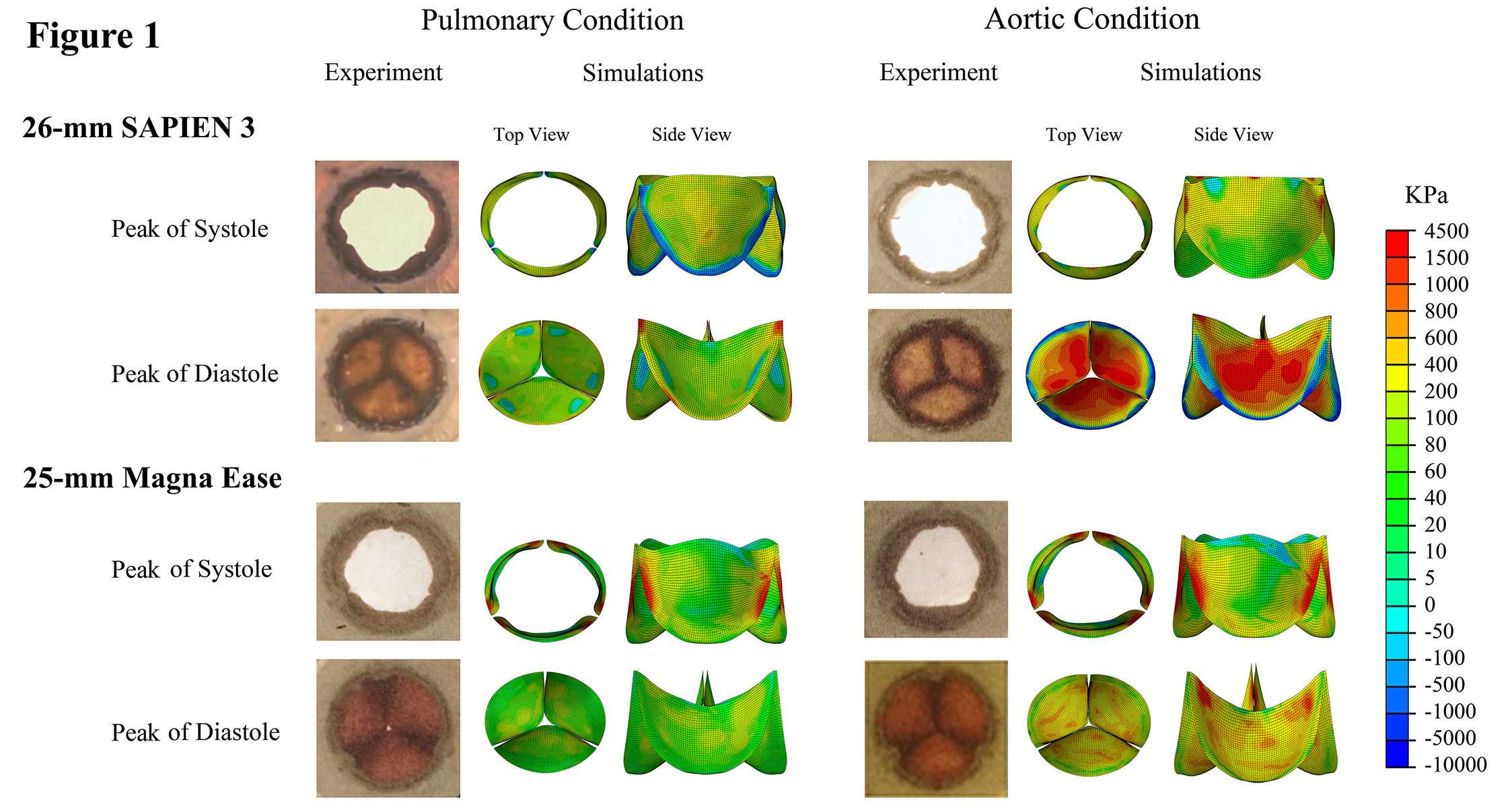
OBJECTIVE: Transcatheter pulmonary valve replacement (TPVR) is a less invasive alternative to surgical pulmonary valve replacement for pediatric patients with pulmonary stenosis. Some of the bioprosthetic valves used in TPVR, such as SAPIEN 3 (S3), are originally designed for the aortic position. Good short-term outcomes have been observed following TPVR with S3. However, the long-term outcomes are not fully determined, and complications such as subclinical leaflet thrombosis have been recognized following TPVR. This study aimed to perform a side-by-side comparison of S3 and a commonly used surgical bioprosthesis (PERIMOUNT Magna Ease) under pulmonary conditions. METHODS: Hemodynamic characteristics of a 26-mm S3 and a 25-mm Magna Ease were evaluated in a pulse duplicator under pulmonary and aortic conditions (both child and adolescent). Detailed structural analysis of the leaflets was also obtained under the conditions using computational simulations in Abaqus/Explicit. RESULTS: The effective orifice area of S3 was significantly more than Magna Ease under the normal pulmonary conditions (p=0.004). High-speed video recordings showed that S3 closed completely in the diastole under the pulmonary conditions. However, the Magna Ease did not reach complete closure under the pulmonary conditions. This contrasted with the aortic testing condition, where full valve closure was attained in both bioprostheses. The simulation results showed that the peak of maximum in-plane principal stress in S3 was more than Magna Ease in the diastole in pulmonary and aortic conditions (Figure-1). The results also indicated that S3 opening area was significantly smaller under the pulmonary conditions than the aortic condition. The altered leaflet kinematics can increase blood stasis on the S3 leaflets. CONCLUSIONS: The study improves our understanding of the biomechanics involved in TPVR. Hemodynamic and structural characteristics of the S3 and Magna Ease differed considerably between the pulmonary and aortic conditions.
2021
Assessing the Risk of Leaflet Thrombosis following Transcatheter Aortic Valve-in-Valve Procedures: A Simulation Study
Bulletin of the American Physical Society, 2021
Full conference abstract
Transcatheter aortic valve-in-valve (ViV) implantation is a safe and effective treatment for patients with failed surgical or transcatheter bioprostheses. Recently concerns have been raised about the occurrence of subclinical leaflet thrombosis following the ViV procedures. The aim of this study was to assess the likelihood of leaflet thrombosis post-ViV after the use of transcatheter aortic valves with intra-annular and supra-annular design. In the study, we developed a fluid-solid interaction modeling approach to quantify blood stasis on the leaflets of 26-mm Edwards SAPIEN 3 and 26-mm Medtronic CoreValve. Three-dimensional flow fields of the two valves were obtained using computational simulations. The simulation results were also validated by experimental testing (particle imaging velocimetry) in a pulse duplicator system. The results showed a significantly longer blood stasis on the leaflets of the SAPIEN 3 compared to the CoreValve. A good agreement was also observed between the simulation results and the experimental data. The study suggests that the use of transcatheter aortic valves with supra-annular design reduces blood stasis on the leaflets and consequently has the potential to reduce the likelihood of leaflet thrombosis following the ViV procedures.
2020
Comparison of Transcatheter Mitral Valve and Surgical Mitral Valve Leaflet Mechanical Properties
Summer Biomechanics, Bioengineering, and Biotransport Conference, 2020
Full conference abstract
INTRODUCTION In recent years, transcatheter mitral valve replacement (TMVR) has arisen as an alternative therapeutic option for the treatment of severe mitral regurgitation in patients with prohibitive or high surgical risk. A limited number of TMVR systems are under clinical evaluation, and others have started preclinical development programs. TMVR shows excellent hemodynamic results with a low rate of residual mitral regurgitation and low transvalvular gradients, showing potential for widespread adoption as an alternative to conventional surgery. However, the long-term durability of transcatheter mitral valves (TMVs) is currently unknown. To compare developing TMV technologies with surgical results, TMV durability must match that of surgical bioprostheses. Therefore, proper evaluation of TMV long-term durability is crucial for potential commercialization of TMVR. Accurate and validated computational simulations can be used to improve the structural and hemodynamic performance of bioprosthetic heart valves. A reliable computational model requires accurate mechanical properties for the bioprosthetic materials. This study used a noninvasive material-characterization framework integrating experimental and numerical methods to determine the mechanical properties of soft tissue employed in bioprosthetic heart valves. We characterized the three-dimensional anisotropic mechanical properties of leaflets used in a TMV (Edwards SAPIEN 3) and compared them with a commonly used surgical bioprosthesis (Carpentier-Edwards PERIMOUNT Magna mitral heart valve). We also compared leaflet stress distributions under physiological loading to assess device durability. METHODS A custom-built pulse duplicator system was used for functional testing of a 25-mm Carpentier-Edwards PERIMOUNT Magna bioprosthetic mitral valve and a 26-mm SAPIEN 3 transcatheter valve. Because no TMV was commercially available, a transcatheter aortic valve with the same leaflet geometry and material as the SAPIEN M3 TMV design was used. Pulse-duplicator inputs matched ISO 5840 and FDA standards. Valve-motion videos were obtained, and leaflet motion at the center of each leaflet tip was tracked, averaged, and used to construct time-displacement curves. Leaflet geometry was obtained using a NextEngine 3D laser scanner. Mapped meshes were generated in HyperMesh and imported into ABAQUS/Explicit. Uniform leaflet thicknesses of 0.33 mm for the TMV and 0.56 mm for the surgical valve were used. Material orientation was assigned with a custom MATLAB code, and the generalized three-dimensional Fung strain-energy function was used. Particle swarm optimization implemented in Isight determined the three-dimensional mechanical properties and Rayleigh damping coefficient. After optimization, valve motion under physiological loading was simulated again and leaflet stress distributions were analyzed. RESULTS Material coefficients were obtained by minimizing the summed squared difference between simulated and measured displacement at the midpoint of the leaflets. The optimized Fung material parameter c was 19,996 Pa for the PERIMOUNT Magna and 10,020 Pa for SAPIEN 3; the corresponding viscous damping values were 17,501 1/s and 2,017 1/s. Optimized finite-element simulations agreed with the experimental leaflet-displacement data. Maximum in-plane principal stress was considerably higher in the transcatheter valve than in the surgical valve. DISCUSSION Early experience with TMVR supports its feasibility and a high rate of successful implantation in selected patients. However, optimization of device designs and evaluation of TMV durability relative to conventional surgical replacement are vital for long-term performance. The higher maximum in-plane principal stress in the TMV indicates lower expected durability than the surgical valve, which is consistent with the lower thickness of the TMV leaflets. Despite the advantages of TMVR, long-term performance must therefore be considered before broad commercialization.
2020
Transcatheter Aortic Valve Replacement in Bicuspid Valves: The Synergistic Impact of Eccentric and Incomplete Stent Deployment
Summer Biomechanics, Bioengineering, and Biotransport Conference, 2020
Full conference abstract
INTRODUCTION Bicuspid aortic valve is a common aetiology of aortic stenosis. Given the positive outcomes of transcatheter aortic valve replacement (TAVR) in low-risk patients, TAVR in bicuspid valves will become more prevalent in the future. Previous studies examining elliptical transcatheter aortic valve (TAV) deployment studied asymmetric expansion of balloon-expandable intra-annular devices at ellipticity indexes up to 1.4, although that degree of eccentricity has not been observed clinically in balloon-expandable devices. High eccentricity has been observed in self-expanding TAVs such as CoreValve. Because CoreValve is supra-annular, however, elliptical and under-expanded deployment at the inflow may not alter leaflet stress distribution. This study used computational simulations to assess the impact of elliptical and under-expanded deployment of CoreValve in bicuspid aortic valves and compared the results with SAPIEN 3. METHODS Leaflet geometries of 26-mm CoreValve and 26-mm SAPIEN 3 valves were obtained using a 3D laser scanner, and stent geometries were reconstructed in SolidWorks. Based on previous clinical studies, labeled, average-eccentricity, and upper-limit eccentricity and expansion configurations were defined. The valves were implanted in custom 3D-printed washers and tested in a pulse duplicator to obtain two-cardiac-cycle pressure curves. Meshes were generated in HyperMesh. Leaflets and skirts were modeled with S4 elements and stents with C3D8 elements. Material properties were assigned for porcine or bovine pericardium, Dacron, nitinol, and cobalt-chromium as appropriate. Displacement control was applied to create the elliptical deployed shapes before simulating two cardiac cycles. Maximum in-plane principal stress distributions were obtained under three deployment conditions. RESULTS For CoreValve, maximum stresses were located at stent-leaflet connection points and increased substantially with ellipticity. In the labeled configuration, 46% of leaflet elements had maximum in-plane principal stress between 0.2 and 0.4 MPa. In the average-eccentricity case, 38% remained in that range. In the most severe case, stress shifted upward, with 22% of elements between 0.4 and 0.6 MPa. Elliptical under-expansion also altered CoreValve leaflet motion; one leaflet showed delayed opening and closing, and the delay increased with under-expansion and ellipticity. Stress in under-expanded elliptical SAPIEN 3 leaflets also increased with ellipticity, but the change was smaller than for CoreValve. The SAPIEN 3 leaflet belly region could not fully open under under-expanded deployment. DISCUSSION The opening and closing delay in elliptical under-expanded CoreValve was caused by asymmetric geometry. Under-expansion and elliptical deployment elongated the stent and stretched the skirt and leaflet, significantly increasing maximum in-plane stress and potentially reducing durability after deployment in bicuspid anatomy. Post-procedural balloon expansion may help restore the self-expanding valve toward its intended shape. Although SAPIEN 3 opening and closing times were less sensitive to ellipticity, the opening shape was directly affected, and reduced leaflet opening may increase thrombosis risk. Future work should evaluate thrombosis formation in both valve types.
2019
Reducing the Risk of Leaflet Thrombosis following Transcatheter Aortic Valve-in-Valve Implantation by BASILICA Procedure: A Computational Simulation Study
Structural Heart 3, 72-73, 2019
Full conference abstract
Objective: Leaflet thrombosis following transcatheter aortic valve-in-valve (ViV) is an increasingly recognized complication. We have previously shown that the geometric confinement of transcatheter aortic valves (TAVs), introduced by the leaflet and frame of degenerated bioprosthesis, disturbs the natural flow field on the TAV leaflets. The confinement increases blood stasis on the TAV leaflets and consequently increases the likelihood of thrombogenesis. The goal of this study was to assess the effect of transcatheter laceration of the degenerated bioprosthetic valve leaflets, also known as BASILICA, on the likelihood of leaflet thrombosis using computational simulations. Methods: Idealized computational models representing a 26-mm SAPIEN 3 implanted in 29-mm Mitroflow surgical bioprosthesis were developed before (Figure-1a) and after (Figure-1b) the BASILICA procedure. Flow fields were obtained via fluid-solid interaction simulations. Regions of high blood residence time (BRT > 0.5s), which are highly prone to platelet activation, were compared between the models. Results: Summary histogram of reduction of BRT on the surface of left-coronary and right-coronary leaflets is shown in Figure-1c. On the left-coronary leaflet, the areas with high BRT reduced considerably from 50.5% in the ViV model without leaflet laceration to 37.3% in the ViV model with leaflet laceration. On the right-coronary leaflet, the areas with high BRT reduced from 72.2% in the ViV model without leaflet laceration to 67.9% in the ViV model with leaflet laceration. No reduction in areas of high BRT was observed in the non-coronary leaflet. Conclusions: Transcatheter laceration was invented to prevent coronary obstruction in ViV procedures. The procedure has the potential to reduce the areas with high BRT on the aortic surface of left- and right-coronary leaflets and consequently reduce the risk of leaflet thrombosis.

2022
Structural and Hemodynamic Analysis of Transcatheter Aortic Valves
Ph.D. dissertation, University of Denver
Full abstract
The transcatheter aortic valve replacement (TAVR) procedure has become a well-established procedure for high, intermediate-risk, and low-risk patients. However, there is limited clinical data on the TAV's long-term durability, unlike SAV devices. Computational simulations can be an alternative way to evaluate the TAV devices. This dissertation aims to conduct structural and hemodynamic analyses on the TAV devices under different conditions using computational simulation approaches. Initially, the impact of the bicuspid aortic valve on the TAV devices was evaluated. The result indicated that the CoreValve-like supra-annular self-expandable device was likely to have increased stress and strain on the leaflet when it was elliptically deployed. The impact on the intra-annular balloon-expandable design was minor in the clinic. Subsequently, the effect of regional under-expansion on the supra-annular self-expandable device was studied. The simulations showed that the reduced leaflet angle could impair leaflet motion and increase stress. The small-angle leaflet was likely to fail over time. The hemodynamic analysis was conducted on both supra-annular and intra- annular designs in pulse duplicator models. The result proves that the thrombosis is likely to initiate at the fixed edge of the intra-annular design and lower belly region of the supra-annular design. Most of the blood within the neo-sinus region in the supra-annular design could be washed out within one cardiac cycle. However, the blood near the fixed edge could accumulate and increase thrombosis risk.
2017
Mechanical Effects of Surgical Adhesives on Ascending Thoracic Aortic Aneurysm Replacement
M.S. thesis, University of Denver
Full abstract
Ascending thoracic aortic aneurysm (aTAA) is a potentially lethal disease which grows gradually over time and may lead to aortic dissection and rupture. Currently, aTAA surgical repair using Dacron graft is a well-established treatment. In addition, surgical adhesives are frequently used in the surgeries to seal the anastomotic site. This study aims to investigate mechanical effects of four commonly used surgical adhesives, namely BioGlue, CoSeal, Crosseal, and Tisseel, on the suture site using in-vitro digital image correlation (DIC) method and finite element (FE) simulations in an ovine model. In this study, first, mechanical properties of ovine ascending aorta were obtained by optimizing the FE simulation results with DIC data. Subsequently, Dacron graft was included to mimic the surgical repair. The simulation results showed Dacron graft reduces tissue stress and strain at the surgical site by approximately three times. Afterward, in the simulations, surgical glues were applied to the anastomotic site. CoSeal, Crosseal, and Tisseel exhibited small mechanical effects on the aortic wall. However, BioGlue significantly constrained the suture site movement and further reduced the stress value up to 85%. The results showed the mechanical properties of Dacron graft and surgical adhesives play an important role in the functional state of the tissue at the suture site. A compliance mismatch between graft, surgical adhesives, and tissue can restrict normal physiologic tissue dilation and may cause tissue remodeling. Further research is encouraged to develop new graft and adhesive materials with an elastic behavior in harmony with that of the soft tissue.